

Review of Feminine Silence
Nthanda Manduwi’s Feminine Silence is a work of rare clarity and courage.
Blending memoir, social commentary, and rigorous analysis, Manduwi dismantles the subtle and overt structures that seek to confine women’s voices; particularly African women’s – in leadership, education, and cultural narratives.
What makes this book remarkable is not only its intellectual depth, but its authenticity. Manduwi does not write as an abstract observer; she writes as someone who has navigated the United Nations, the World Bank, and Microsoft—spaces that claim the language of diversity but often resist its transformative power. Her stories illuminate how systemic inequities persist even in the most prestigious institutions, and how women, especially those who carry the intersections of race, youth, and global South identities, must learn to navigate them without losing themselves.
Drawing on global theories: Tokenism, Role Congruity, Critical Theory, Manduwi reframes them through her own lived experience, creating a text that is both academically grounded and viscerally human. She moves beyond critique into solution, offering practical and systemic interventions for leaders, educators, and policymakers who genuinely seek change.
As an African academic and university leader, I find this work particularly important for the continent. Feminine Silence challenges the pervasive assumption that imported models of leadership and development automatically serve African contexts. Manduwi reminds us that to change systems, we must also change narratives – about what leadership looks like, whose voices carry authority, and what futures we dare to imagine.
This book will inspire young women to see themselves as architects of their own destinies, and it will challenge those in positions of power to confront the subtle ways they perpetuate exclusion. Feminine Silence is more than just a book – it is a call to action, an intellectual contribution, and a personal testament.
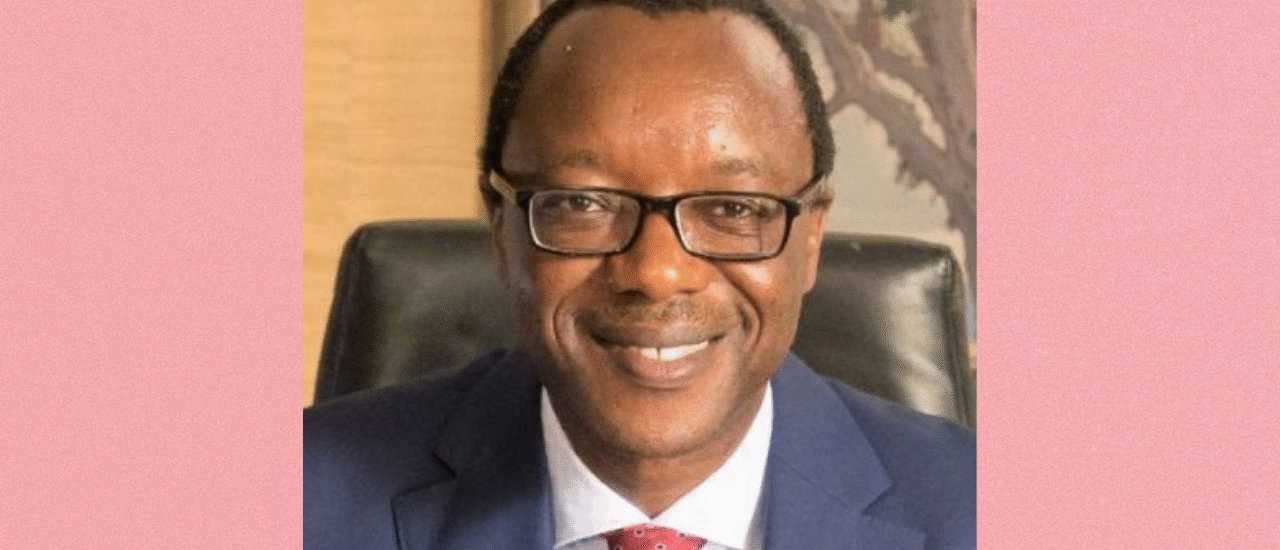
— Professor Tawana Kupe
Former Vice-Chancellor & Principal, University of Pretoria
